Spring Dinner Lemon Butter Salmon
Highlighted under: Everyday World Food Collection
I absolutely love how this Spring Dinner Lemon Butter Salmon recipe captures the essence of fresh spring flavors! The combination of succulent salmon with zesty lemon and creamy butter creates a dish that feels light yet indulgent. I often prepare this for family gatherings or a quick weeknight dinner, and it never fails to impress. The simplicity of the ingredients allows each element to shine, making it both easy to make and delightful to eat. I can’t wait for you to try it!
When I first made this Lemon Butter Salmon, I was amazed by how quickly it came together without compromising on flavor. The trick to achieving a perfect sear on the salmon is to let it come to room temperature before cooking; it helps it cook evenly. I also discovered that adding a pinch of garlic powder to the butter sauce intensifies the flavor even more!
ensuring the salmon is fresh makes a big difference in taste. I often pair it with seasonal veggies like asparagus or a crisp salad, which elevates the dish and guarantees everyone at the table enjoys it. This salmon dinner has quickly become a beloved recipe in our household.
Why You Will Love This Recipe
- Bright, zesty flavors that brighten any meal
- Quick cooking time makes it perfect for busy weeknights
- Versatile dish that pairs well with various sides
Mastering the Lemon Butter Sauce
The lemon butter sauce is the star of this dish, and it’s essential to get it just right. Using unsalted butter allows you to control the saltiness of the dish, letting the bright lemon flavors come forward without being overshadowed. When melting the butter, keep an eye on the heat; it should be just hot enough to melt without browning or burning. The addition of minced garlic infuses the sauce with a savory depth, so cook it only until fragrant—around three minutes is perfect.
Remember that the zest of the lemon is important, as it adds an extra layer of citrusy aroma that enhances the overall flavor profile. I recommend using a microplane grater for the zest, as it provides fine, fluffy zest without the bitter white pith. Once you have your sauce, it can be drizzled over the salmon or used as a dipping sauce for your sides, lending a rich flavor juxtaposed against the lightness of the dish.
Cooking the Salmon to Perfection
When cooking salmon fillets, achieving that perfect balance between flaky and tender is key. Start by heating your non-stick skillet until it's hot—this helps ensure a nice sear on the skin side, which adds texture and flavor. The salmon should be added skin-side down, and you should hear a satisfying sizzle. If the salmon is sticking, it means the pan isn’t hot enough; don’t be afraid to adjust the heat accordingly.
After flipping the salmon to cook the flesh side, pouring over half of the lemon butter sauce will both flavor the fish and keep it moist. Look for the salmon to turn a beautiful opaque pink, which usually takes about 4-5 minutes per side; a digital thermometer should read 145°F (63°C) at the thickest part. If using thicker than average fillets, adjust your cooking time to ensure even doneness throughout.
Serving Suggestions and Variations
This Lemon Butter Salmon pairs beautifully with a variety of sides. Steamed asparagus or mixed greens can add a crunchy, fresh element to the meal, complementing the rich, saucy fish nicely. If you want to elevate your dish, consider adding a grain like quinoa or couscous to soak up the remaining sauce on the plate. For a bit of crunch, toasted almonds or pine nuts sprinkled over the vegetables can provide a delightful textural contrast.
Feel free to customize the flavors of the lemon butter sauce to your liking. Adding fresh herbs like dill or thyme can impart additional fragrance, while a touch of Dijon mustard in the sauce can introduce a tangy kick. If you're looking to adapt this recipe for a different protein, tilapia or even chicken breasts can work wonderfully when cooked with the same method. Just make sure to adjust cooking times based on the thickness of the protein.
Ingredients
Ingredients
For the Lemon Butter Salmon
- 4 salmon fillets
- 1/4 cup unsalted butter
- Juice and zest of 1 lemon
- 2 cloves garlic, minced
- Salt and pepper to taste
- Fresh parsley for garnish
For Serving (Optional)
- Steamed asparagus or mixed greens
- Lemon wedges
Instructions
Instructions
Prepare the Butter Sauce
In a small saucepan over medium heat, melt the butter and stir in the minced garlic, lemon juice, and zest. Cook for about 3 minutes until fragrant. Remove from heat and set aside.
Season the Salmon
While the sauce cools, season the salmon fillets with salt and pepper on both sides.
Cook the Salmon
Heat a non-stick skillet over medium-high heat and add a bit of olive oil. Once hot, place the salmon skin-side down and cook for 4-5 minutes. Carefully flip and pour half of the lemon butter sauce over the fillets, cooking for an additional 4-5 minutes until cooked through.
Serve
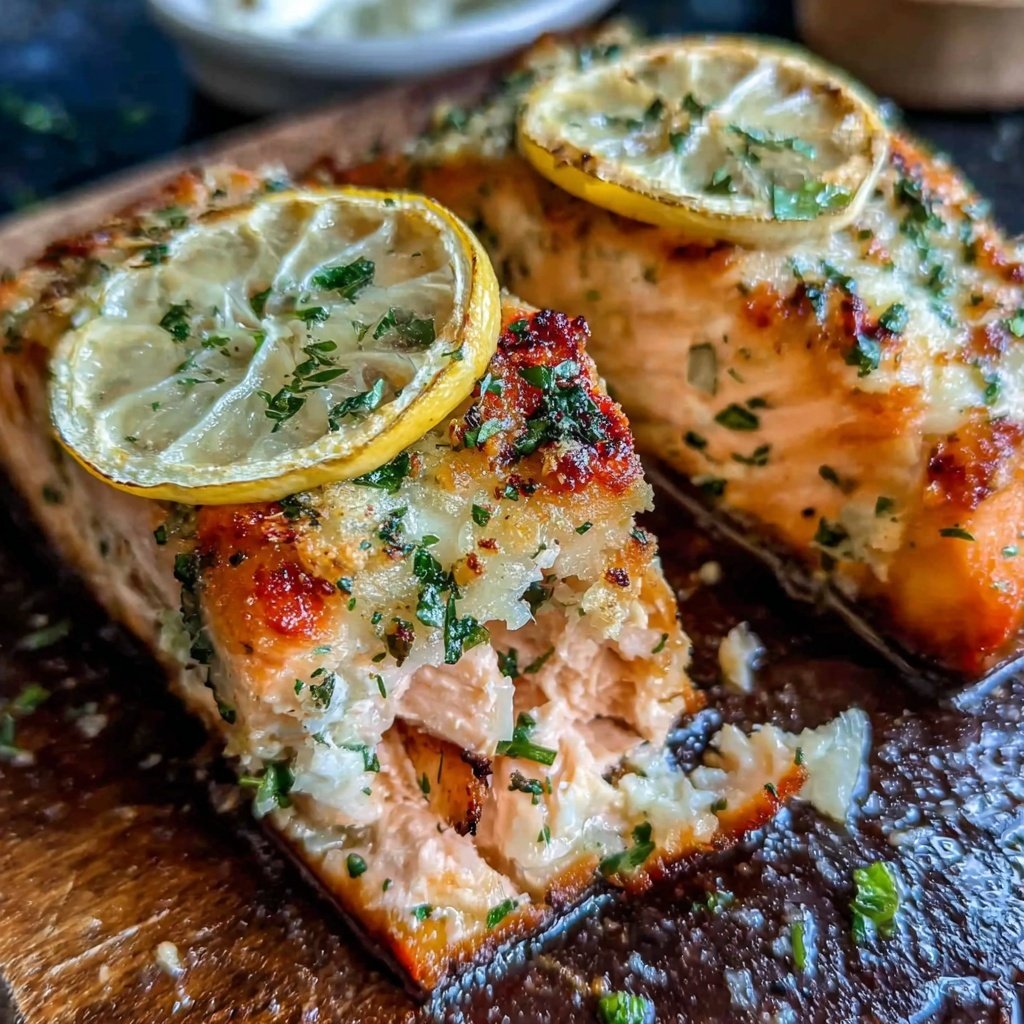
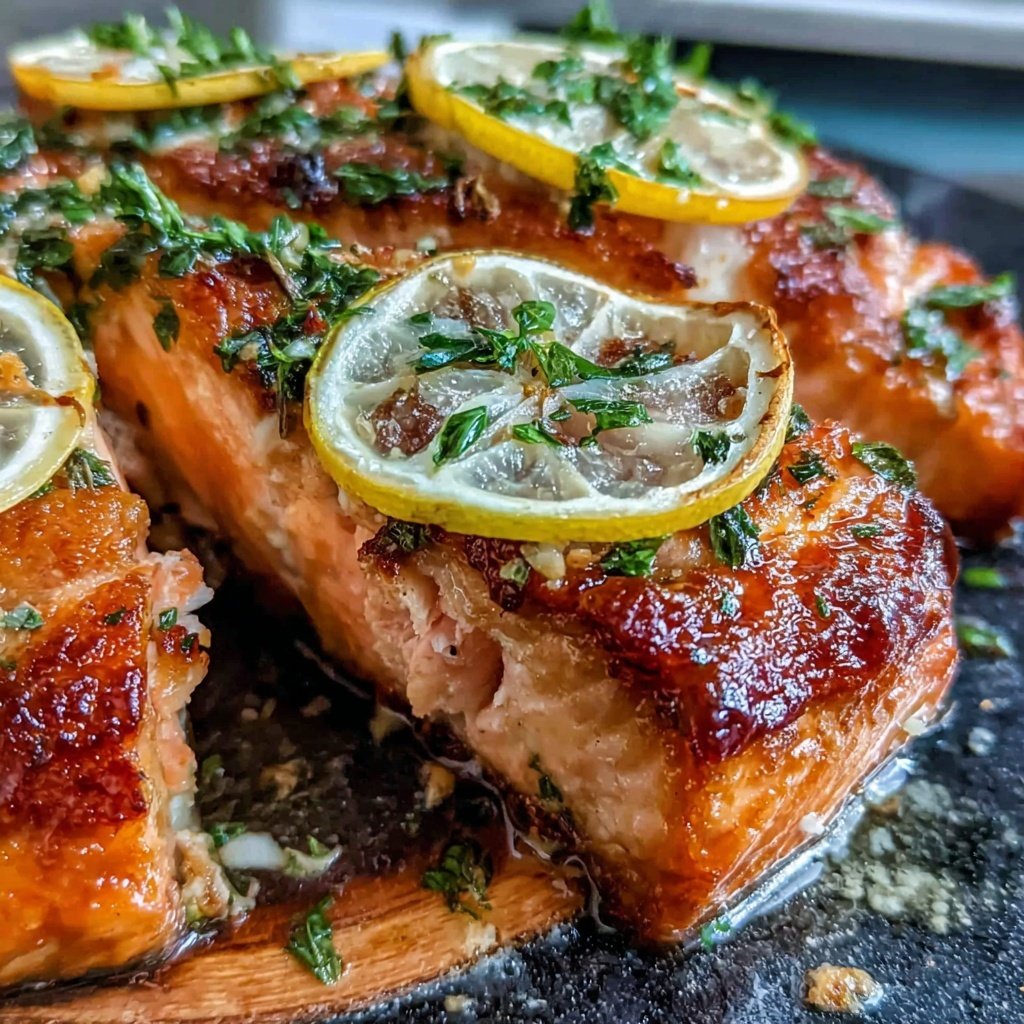
Remove the salmon from the skillet and drizzle with the remaining lemon butter sauce. Garnish with fresh parsley and lemon wedges. Serve with your choice of sides.
Pro Tips
- For extra flavor, try adding capers to the butter sauce or serve with a side of quinoa or wild rice for a fulfilling meal.
Preparing Ingredients in Advance
For those busy weeknights, pre-prepping the ingredients can make the cooking process even smoother. You can season the salmon fillets with salt and pepper a few hours in advance and store them in the refrigerator until you're ready to cook. This allows the seasoning to penetrate the fish for enhanced flavor. Additionally, the lemon butter sauce can be made ahead of time; simply store it in an airtight container in the fridge for up to three days. Reheat gently before serving.
If you have leftover lemon butter sauce, don't toss it out! It can be saved and drizzled over vegetables or scrambled eggs in the following days, enhancing other meals and preventing waste. Remember not to reheat it too aggressively on the stovetop, as butter can separate if heated too quickly.
Storage and Reheating Tips
If you have leftover salmon, it's best stored in an airtight container in the refrigerator for up to two days. When reheating, place the salmon in a preheated oven at 300°F (150°C) to gently warm it, preventing it from drying out. If you prefer using a microwave, place a damp paper towel over the salmon to retain moisture and heat at a lower power setting, checking frequently to avoid overheating.
For longer storage, you can freeze cooked salmon. Wrap it well in plastic wrap or aluminum foil, then place it in an airtight freezer-safe container. It can be frozen for up to three months. To reheat, let it thaw overnight in the refrigerator and then follow the previous reheating instructions, ensuring that it remains moist while warming through.
Troubleshooting Common Issues
If you find that the salmon is sticking to the pan, it may not have had enough heating time before adding the fish. Make sure the pan is hot enough and contains sufficient oil to create a non-stick surface. If the salmon fillets are overcooked and dry, note that salmon's cooking time can vary depending on the thickness of the fillet. Invest in a digital thermometer for consistent results; 145°F (63°C) at the thickest part is your target temperature.
Should your lemon butter sauce separate while sitting, simply return it to low heat and whisk vigorously to re-emulsify. Adding a teaspoon of cold water can also assist with this. Remember to taste and adjust the seasoning before serving; balance is crucial, and a splash more lemon juice or a pinch of salt can elevate the flavors beautifully.
Questions About Recipes
→ Can I use frozen salmon for this recipe?
Yes, just ensure to thaw it completely in the fridge before cooking for even results.
→ What can I substitute for butter?
Olive oil or a plant-based butter can be used as alternatives for a lighter version.
→ How do I know when the salmon is done?
Salmon is done when it flakes easily with a fork and has an internal temperature of 145°F (63°C).
→ Can I add vegetables to the cooking process?
Absolutely! Vegetables like asparagus or spinach can be added to the pan during cooking for a one-pan meal.
Spring Dinner Lemon Butter Salmon
Created by: Matilda Rowe
Recipe Type: Everyday World Food Collection
Skill Level: Beginner
Final Quantity: 4 servings
What You'll Need
For the Lemon Butter Salmon
- 4 salmon fillets
- 1/4 cup unsalted butter
- Juice and zest of 1 lemon
- 2 cloves garlic, minced
- Salt and pepper to taste
- Fresh parsley for garnish
For Serving (Optional)
- Steamed asparagus or mixed greens
- Lemon wedges
How-To Steps
In a small saucepan over medium heat, melt the butter and stir in the minced garlic, lemon juice, and zest. Cook for about 3 minutes until fragrant. Remove from heat and set aside.
While the sauce cools, season the salmon fillets with salt and pepper on both sides.
Heat a non-stick skillet over medium-high heat and add a bit of olive oil. Once hot, place the salmon skin-side down and cook for 4-5 minutes. Carefully flip and pour half of the lemon butter sauce over the fillets, cooking for an additional 4-5 minutes until cooked through.
Remove the salmon from the skillet and drizzle with the remaining lemon butter sauce. Garnish with fresh parsley and lemon wedges. Serve with your choice of sides.
Extra Tips
- For extra flavor, try adding capers to the butter sauce or serve with a side of quinoa or wild rice for a fulfilling meal.
Nutritional Breakdown (Per Serving)
- Calories: 380 kcal
- Total Fat: 26g
- Saturated Fat: 15g
- Cholesterol: 195mg
- Sodium: 85mg
- Total Carbohydrates: 32g
- Dietary Fiber: 3g
- Sugars: 24g
- Protein: 6g